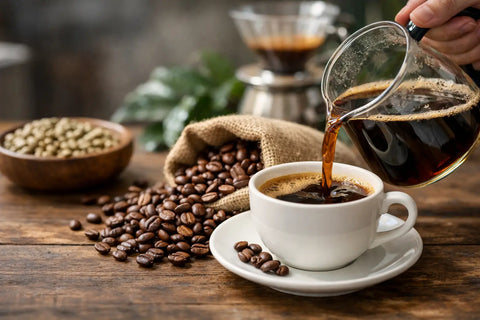
A coffee label can promise bold flavor, mountain-grown beans, or a faraway origin and still leave you with a flat, bitter cup. So, what is specialty coffee? At its heart, it is coffee held to a higher standard at every meaningful step: growing, harvesting, processing, grading, roasting, and brewing. The result is not simply stronger coffee or darker coffee. It is a cup with a clearer sense of place, fresher aroma, and more of the flavors the coffee plant worked hard to develop.
For someone brewing before work in Irvine, serving guests in San Clemente, or stocking an office coffee bar in Orange County, specialty coffee offers a more enjoyable daily ritual. It turns a familiar beverage into a small moment of travel. A coffee from Colombia may bring caramel and red-fruit notes; a washed Guatemala may taste like cocoa and citrus; a rich Sumatra may offer earthy depth with a syrupy body. Those differences are not marketing decoration. When coffee is grown and handled with care, they are visible in the cup.
What Is Specialty Coffee, Exactly?
Specialty coffee is generally defined as coffee that earns a score of 80 points or higher on a 100-point scale used by trained coffee evaluators. The Specialty Coffee Association, or SCA, established the framework most widely used across the industry. Evaluators assess fragrance, aroma, flavor, aftertaste, acidity, body, balance, sweetness, uniformity, cleanliness, and overall character.
That 80-point threshold matters because it separates specialty-grade coffee from the commercial-grade coffee commonly used in many large-scale blends. Specialty coffee must be carefully sorted for defects, such as black beans, sour beans, insect damage, or foreign material. Green coffee is also judged for factors including moisture, bean consistency, and the number of allowable defects in a sample.
A score, however, is the starting point, not the finish line. A beautiful green coffee can lose its character through poor storage, rushed roasting, or stale packaging. Specialty is best understood as a chain of care. Each person in that chain has a hand in whether the finished cup tastes lively, sweet, and distinctive.
The Journey From Coffee Farm to Your Cup
Coffee begins as a fruit called a coffee cherry. For quality-focused producers, cherries are picked at peak ripeness rather than stripped from a branch all at once. Ripe cherries contain the sugars and structure that can become sweetness, fruit character, and balance after processing and roasting.
After harvest, the fruit is processed to remove the outer layers and dry the seed inside, which becomes the coffee bean. Processing has a powerful effect on flavor. Washed coffees often taste clean, crisp, and transparent, allowing a region's citrus, floral, or cocoa notes to come forward. Natural-process coffees dry inside the fruit and can be fuller, fruitier, and more wine-like. Honey-process coffees often land somewhere between, with rounded sweetness and gentle complexity.
The coffee is then milled, exported, evaluated, and roasted. This is where specialty coffee's traceability becomes especially valuable. Knowing an origin, region, producer group, or farm gives drinkers a better understanding of what they are tasting. It also creates more accountability than a vague, anonymous blend with no information beyond a roast label.
Ethical sourcing deserves its own distinction. Specialty coffee is not automatically Fairtrade, organic, or direct trade. Those are separate certifications or sourcing approaches. Still, specialty buyers are often better positioned to pursue transparent relationships and pay attention to producer conditions because quality and origin are central to the product.
Why Specialty Coffee Tastes So Different
Mass-market coffee is often designed for uniformity, long shelf life, and a profile that remains recognizable across enormous volumes. That can mean blending coffees of varying quality and roasting them dark enough to cover inconsistencies. Dark roasts can be delicious, especially for espresso or a classic diner-style cup, but roast flavor should not be the only thing you taste.
Specialty coffee makes room for the bean's own character. A skilled roast brings out sweetness and texture without scorching away origin notes. This does not mean specialty coffee must be light roasted. A medium roast can offer a comforting chocolatey cup, and a darker specialty roast can be satisfying in milk drinks. The goal is intentionality: roast development should fit the coffee and the brewing method instead of hiding defects.
Freshness is another major difference. Coffee is at its best when it is roasted in small batches and shipped with care, rather than being produced far in advance and held in a warehouse. Freshly roasted coffee releases carbon dioxide for several days, a process called degassing. For many whole-bean coffees, flavor settles into a particularly enjoyable window roughly one to four weeks after roasting, though the ideal timing depends on the coffee, roast level, and brewing method.
Fresh does not mean brewing it the hour it arrives. Very freshly roasted beans can be harder to brew evenly, especially for espresso. Give the coffee a little time, then store it sealed, cool, and away from light. Buy an amount you can enjoy within a few weeks rather than treating coffee like a pantry item that should last all season.
Specialty Coffee Is Not Just for Pour-Over Fans
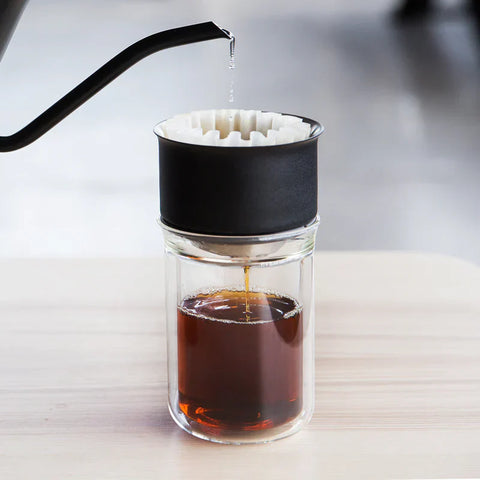
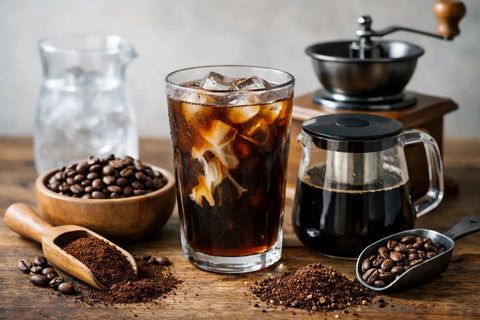
A precise pour-over can reveal delicate notes in a single-origin coffee, but it is not the admission price for enjoying specialty beans. The best brewing method is the one you will use consistently and enjoy. A French press highlights body and richness. A drip brewer offers easy, dependable mornings. Espresso creates concentrated sweetness and texture. Cold brew can bring a smooth, mellow profile, particularly in warm California weather.
The largest improvement most home brewers can make is grinding whole beans just before brewing. Pre-ground coffee loses aroma quickly because more surface area is exposed to air. Pair a consistent grinder with filtered water and a basic scale, and even a simple brewer can produce a noticeably better cup.
Start with a practical coffee-to-water ratio of about 1 gram of coffee for every 16 grams of water. If the cup tastes thin or sour, try a finer grind, a slightly longer brew, or a little more coffee. If it tastes dry, harsh, or bitter, try a coarser grind, a shorter brew, or slightly less coffee. There is no need to chase technical perfection every morning. The point is to learn what tastes good to you.
How to Shop for Specialty Coffee With Confidence
A thoughtful coffee bag should tell you more than whether it is light, medium, or dark. Look for an origin, a roast date, and flavor notes that describe the experience rather than make impossible promises. Notes like brown sugar, toasted almond, orange, berry, or dark chocolate are tasting references. They do not mean flavoring was added to the beans.
Single-origin coffee is a wonderful way to explore regional character, but blends deserve a place on the shelf too. A well-built blend can be balanced, approachable, and especially reliable for espresso or daily drip brewing. Single origins can be more expressive and seasonal. Neither is inherently better. It depends on whether you want discovery or a familiar house style.
Convenience also has a role. Specialty coffee is available in whole bean, ground, cold-brew-friendly selections, decaf, pods, and even quality instant formats. Whole bean offers the greatest control, while pods and instant coffee can make a better cup possible when time, travel, or office routines call for speed. Choosing the format that fits your life is more useful than buying equipment that gathers dust.
A Better Cup Starts With Curiosity
Specialty coffee invites you to notice what is already there: the honeyed aroma as you open the bag, the fragrance that rises with hot water, the way a cup changes as it cools. Artisan Java & Tea approaches that experience with carefully sourced, specialty-grade coffees roasted in small batches so their distinctive origins have room to speak.
Your next coffee does not need to be complicated. Choose a coffee with an origin or flavor profile that sounds inviting, brew it with attention, and take a moment before adding milk or sweetener to taste it on its own. You may find that the most memorable part of specialty coffee is not a score on a label, but the new places and flavors waiting in an ordinary morning cup.
Comments (0)
There are no comments for this article. Be the first one to leave a message!