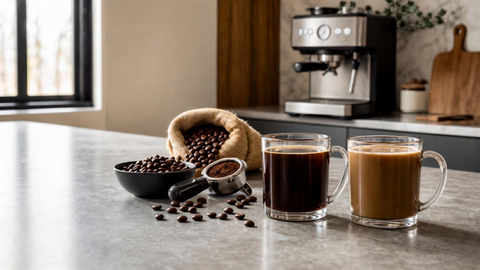
The first sip tells you what the label cannot: a caramel-sweet, chocolate-forward shot may feel beautifully familiar, while a juicy espresso with peach, florals, or berry-like brightness can feel like a small trip across the coffee belt. In the espresso blend vs single origin conversation, neither coffee is automatically better. They are built for different pleasures, different palates, and sometimes different mornings.
Espresso is a brewing method, not a flavor profile. With a compact dose of finely ground coffee, pressure, and a short brew time, it magnifies sweetness, texture, acidity, and roast character. That intensity is exactly why your coffee choice matters. A coffee that tastes pleasant in a drip brewer may become startlingly bright, dry, or bitter when pulled as espresso. The right choice begins with knowing what each label is designed to offer.
Espresso Blend vs Single Origin: The Core Difference
An espresso blend combines two or more coffees chosen to create a particular cup profile. A roaster might pair a naturally sweet coffee with another that brings cocoa depth and a third that adds structure to the finish. The goal is not to hide the character of the beans. It is to create balance, body, and a dependable flavor experience that performs well under espresso pressure.
A single-origin coffee comes from one defined origin, such as a country, region, cooperative, or farm, depending on how specifically it is sourced and labeled. Its appeal is clarity. Rather than tasting a roaster's composition of coffees, you get a closer look at the conditions that shaped one coffee: variety, elevation, soil, processing method, and harvest.
Both can be specialty-grade coffees, meaning they meet demanding quality standards for flavor and defect control. Both can be carefully hand-picked, thoughtfully processed, and small-batch roasted. The difference is less about quality than intention.
Why Blends Often Shine in Espresso
A well-made espresso blend is built to be generous. It often offers a fuller body, a more persistent crema, and flavors that are easy to recognize in a milk drink: chocolate, toasted nuts, brown sugar, spice, or ripe fruit. Those qualities make blends a natural starting point for home espresso drinkers who want a comforting daily shot or regularly make cappuccinos, lattes, and Americanos.
Consistency is another reason blends are popular. Coffee is agricultural, so no harvest remains identical forever. When one component reaches the end of its season, a roaster may adjust the blend with another coffee that preserves the intended profile. The exact origins can shift, but the experience in your cup stays close to the one you enjoyed last month.
That does not mean a blend must taste dark or generic. Specialty roasting can preserve sweetness and origin character without pushing beans into smoky, charred territory. A medium espresso blend may still have lively fruit notes or a delicate citrus lift, just supported by enough body and sweetness to feel composed.
What Single-Origin Espresso Reveals
Single-origin espresso is for the drinker who wants to taste place. A washed coffee from Colombia may offer citrus, red apple, and caramel. A Peru selection might lean toward cocoa, gentle fruit, and a silky finish. Coffees from Guatemala or Honduras can bring layered sweetness, baking spice, and stone-fruit character. The actual notes will vary by lot and roast, but that sense of discovery is the point.
Pulled well, a single origin can be vivid and memorable. It may have a tea-like structure, a sparkling acidity, or a fruit note that would be softened within a blend. For people who already enjoy rotating pour-over coffees, using a single origin for espresso is a rewarding way to experience the same coffee from another angle.
The trade-off is that clarity can come with a narrower sweet spot. Some single origins need more careful dialing in to avoid sharp acidity or astringency. They can also change noticeably as the coffee rests after roasting and as you alter the dose, yield, or water temperature. That is not a flaw. It is an invitation to pay attention, though it may not suit every rushed weekday morning.
The Milk Drink Question
If your usual order is a 12-ounce latte, an espresso blend is often the more practical choice. Milk softens acidity and can mute delicate floral or fruit notes, while the body and chocolate-like sweetness of many blends remain present. A blend gives the espresso enough presence to taste like coffee rather than simply warm milk.
Still, single origins can make exceptional milk drinks. A naturally processed coffee with berry sweetness can turn a cappuccino into something reminiscent of fruit and cream. A washed Central American coffee may bring a clean caramel finish to a flat white. The key is choosing a coffee whose flavors complement milk rather than compete with it.
For straight shots, cortados, and small cappuccinos, single origins have more room to speak. If you enjoy noticing how one coffee differs from the next, this is where they can be especially satisfying.
Choose by the Experience You Want
Choose an espresso blend when you want reliable balance, rich texture, and an easy path to excellent milk drinks. It is also a smart choice for a shared household, an office setup, or anyone learning to use a new machine. A forgiving blend helps you build confidence while still offering the character that freshly roasted specialty coffee can deliver.
Choose a single origin when curiosity is part of the ritual. You may enjoy changing coffees with the season, comparing processing styles, and refining your recipe until a particular note comes alive. It is ideal when the espresso itself is the main event rather than a base for milk.
There is also a middle ground: keep a blend for everyday drinks and add a single origin when you want a weekend experiment. This approach gives you consistency without giving up the pleasure of travel through flavor.
Roast Level Is Not the Whole Story
It is tempting to assume espresso requires a dark roast, but that shortcut misses much of what specialty coffee can offer. Darker roasts can produce familiar bittersweet chocolate and roast-forward flavors, yet they can also cover the distinctive qualities of exceptional beans. Lighter roasts preserve more origin character but may require a capable grinder, stable machine temperature, and a little more patience.
For many home setups, a medium or medium-dark roast offers a welcoming center. It can deliver enough solubility for easy extraction while retaining sweetness and complexity. Read tasting notes as a guide, not a guarantee. Chocolate and caramel often suggest a rounder, classic espresso experience; citrus, berries, florals, and tea-like notes signal a brighter, more expressive cup.
Get the Best From Either Coffee
Freshness and technique matter as much as the label. Buy coffee roasted in small batches and use it after a short resting period, often around one to two weeks after roasting for espresso, depending on the coffee and roast. Grind immediately before brewing, use a scale, and keep your dose and yield consistent while you make adjustments.
If your shot tastes sour, thin, or sharply acidic, try a finer grind, a slightly longer yield, or a modestly warmer brew temperature if your machine allows it. If it tastes harsh, bitter, or drying, coarsen the grind or shorten the yield. Change one variable at a time. A blend may reach a tasty result quickly, while a single origin may reward several thoughtful attempts.
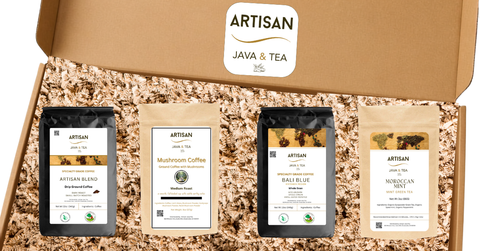
At Artisan Java & Tea, we see espresso as both a daily ritual and a chance to taste the work of growers and roasters with greater attention. Start with the coffee that sounds most inviting, then let your palate guide the next bag. The best espresso is not the one with the most impressive label. It is the one that makes you slow down for another sip.
Comments (0)
There are no comments for this article. Be the first one to leave a message!