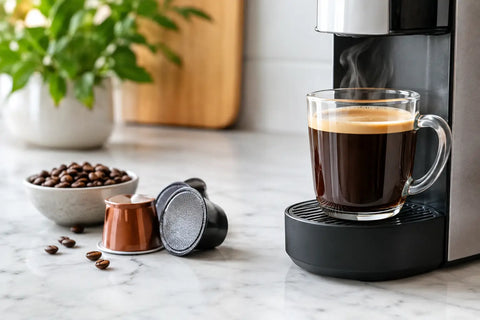
A coffee pod can make a remarkably satisfying cup in less than a minute, but convenience does not have to mean settling for a thin, overheated, or overly bitter brew. Learning how to brew coffee pods well comes down to a handful of small decisions: compatible equipment, fresh water, a sensible cup size, and giving the machine a little care. Those details help the coffee express the aroma and flavor the roaster intended.
Coffee pods are especially useful on busy mornings, in shared offices, and anytime you want consistency without measuring, grinding, or dialing in an espresso machine. The pod does much of the portioning work for you. Your role is to create the best conditions around it.
Start With the Right Pod and Machine
Before brewing, confirm that the pod format matches your brewer. Coffee is sold in several single-serve formats, and they are not interchangeable. A capsule designed for one brewing system may not fit, puncture, or brew correctly in another. Soft coffee pods, often used in certain pod brewers or espresso-style systems, are different from rigid capsules. ESE espresso pods are another distinct format and are intended for compatible espresso machines.
Check both the machine manual and the pod packaging when you are trying a new format. Forcing an incompatible pod into the chamber can damage the brewer, create leaks, or leave you with a weak and messy cup.
Pod coffee also comes in a range of roast profiles and flavor styles. A lighter or medium roast can offer a brighter, more nuanced cup, while a darker roast often brings deeper cocoa, caramelized sugar, or toasted notes. Neither is automatically better. Choose based on the moment and the flavors you enjoy. If you usually add milk, a fuller-bodied medium-dark or dark roast may hold its character more clearly. For black coffee, an origin-forward medium roast can be a lovely way to travel through its aroma and finish.
How to Brew Coffee Pods Step by Step
A good pod brew begins before the pod goes into the machine. Fill the reservoir with cold, fresh water rather than water that has been sitting for days. Coffee is mostly water, so chlorine-heavy or stale-tasting water will show up in the cup. Filtered water is often a meaningful improvement, especially in areas with hard tap water.
Turn on the brewer and let it fully heat. If your model has a rinse or hot-water function, run a short cycle without a pod into the cup you plan to use. This warms the internal pathway and preheats the mug, so the finished coffee stays at a more enjoyable temperature. Discard that water.
Place one fresh pod in the holder, close the brewer securely, and select a cup size appropriate to the pod. This is where many cups go astray. A pod contains a fixed amount of coffee. Requesting too much water from it extracts the grounds beyond their sweet spot and dilutes the result. The cup may taste hollow, papery, or bitter.
If your machine offers several sizes, begin with the smaller standard setting recommended for that pod. You can always add a splash of hot water afterward if you prefer a longer drink. It is much harder to rescue an overextended brew. Once the cycle finishes, remove and discard the used pod promptly, then enjoy the coffee while its aroma is still lively.
Choose Cup Size for the Coffee, Not the Mug
A large mug invites a large setting, but the mug is not the recipe. Think of the selected brew size as the strength control for pod coffee. Smaller output usually means a more concentrated, fuller-tasting cup. Larger output means more volume, but not more coffee.
As a practical starting point, use a 6- to 8-ounce setting for a standard coffee pod unless its packaging suggests otherwise. For a stronger cup, select a smaller setting. For a milder drink, brew at the recommended size and add hot water or warm milk to taste. That approach preserves a cleaner flavor than pushing excess water through the same grounds.
Small Habits That Improve Every Cup
Freshness still matters with pods. Individual packaging provides useful protection from oxygen and moisture, but it does not make coffee timeless. Store unopened pods in a cool, dry cupboard away from direct sunlight, the stove, or a humid spot beside the dishwasher. There is no need to refrigerate or freeze them, which can introduce moisture and unwanted odors.
Keep the brewer clean as well. Coffee oils accumulate in the pod holder, needle area, drip tray, and water reservoir. Those oils can turn rancid and make even a good pod taste dull or harsh. Wipe removable parts regularly, run the machine’s rinse cycle as directed, and descale on the schedule recommended by its manufacturer. If your coffee suddenly tastes off, cleaning the machine is often the first useful troubleshooting step.
Use a ceramic or insulated mug that has been preheated when possible. A cold, thick mug can pull heat from a small serving quickly, muting aroma before the first sip. It is a simple ritual, but it makes a visible difference in comfort and perceived flavor.
Finally, give the coffee a brief stir. The earliest liquid from a pod brew can be more concentrated than the last part of the cycle. A gentle stir brings the cup together, especially if you have added cream, milk, or a sweetener.
Adjust the Cup When It Tastes Off
Pod brewing is designed to be straightforward, but your preferences and water supply are personal. If a cup tastes weak, first reduce the selected brew size. Do not use two pods automatically unless you want two full servings or a particularly large, strong drink. A smaller extraction is often all you need.
If it tastes bitter, dry, or unpleasantly smoky, try a smaller water setting, fresh filtered water, and a thorough machine cleaning. Bitterness can also be a roast-style preference. A darker roast naturally carries more roast-developed flavors than a lighter one, so changing the coffee may be more effective than endlessly changing the machine.
If the coffee seems sour or unusually sharp, make sure the machine has warmed fully and that the pod is stored properly. Inconsistent brewing temperature, an incomplete cycle, or a pod that is no longer in good condition can leave the cup tasting underdeveloped. If the problem appears only with one variety, the coffee’s natural profile may simply not be your favorite. Specialty coffee offers real range, from fruit-toned and lively to deep, round, and chocolate-forward.
Make Milk Drinks Without Losing the Coffee
Coffee pods can be an easy foundation for a latte-style drink or a comforting cup with cream. Brew the pod at a smaller setting so the coffee remains present once milk is added. Warm the milk separately rather than relying on the coffee itself to heat it. For a café-inspired texture, froth the milk with a handheld frother or steam wand, then pour it gently into the coffee.
For iced coffee, avoid brewing a full large serving directly over a towering glass of ice. The melting ice can leave it watery. Brew the pod at a smaller, stronger setting over a modest amount of ice, then add cold milk or water as needed. A medium or darker roast often works especially well here, though a brighter coffee can make a refreshing, fruit-forward iced cup.
When Pods Are the Best Choice
Pods are not meant to replace every brewing method. A burr grinder, freshly ground specialty coffee, and a pour-over or espresso setup offer more control over dose, grind, water temperature, and extraction. That additional control can reveal remarkable detail in a coffee’s origin character. It also asks more of your time, attention, and counter space.
The strength of pod coffee is reliable simplicity. A well-made pod gives you a consistent portion, a clean workflow, and a fast path to a quality cup. It is a format that fits the rhythm of real life while still leaving room for curiosity about roast, origin, and flavor.
Treat each pod as more than a button to press. Start with good water, respect the recommended brew size, and keep the machine clean. Then pause for the aroma before your first sip - even a quick morning cup can be a small moment of discovery.

Comments (0)
There are no comments for this article. Be the first one to leave a message!