
The first cup brewed in the office often sets the morning tone. When it is stale, burnt, or limited to one overly dark option, people notice. A well-planned office coffee program does more than keep a break room stocked. It gives coworkers a small daily ritual, a reason to gather, and a better welcome for clients and visitors.
The most successful programs aren't necessarily the ones with the largest machines or the longest coffee list. They are built around the people who will use them: their schedules, taste preferences, brewing confidence, and the kind of workplace culture the business wants to create. Start with a clear plan, then bring in quality coffee, tea, and equipment that make a great cup realistic on a busy Tuesday.
What an Office Coffee Program Should Solve
Office coffee is often treated as a facilities expense, which can lead to the lowest-cost option winning by default. That approach overlooks the actual job coffee performs. It supports alertness during an early meeting, offers a natural pause between tasks, and creates a hospitable moment when a customer walks through the door.
A thoughtful program solves a few practical problems at once. It should provide a consistent, enjoyable beverage without requiring employees to become baristas. It should accommodate people who prefer decaf or tea. It also needs to be easy for an office manager or operations team to replenish, clean, and monitor.
The right setup depends on the workplace. A small design studio where everyone enjoys manual brewing can happily use a grinder and pour-over equipment. A medical office with a packed waiting room may need a fast, simple pod system. A larger hybrid workplace might benefit from a combination: whole beans for the main coffee station, individual options for convenience, and quality tea for non-coffee drinkers.
Start Your Office Coffee Program With Your Team
Before choosing a brewer, learn how and when people drink. A brief staff survey can reveal more than assumptions will. Ask how many cups people have each day, whether they prefer regular or decaf, how often they drink tea, and whether they favor drip coffee, espresso-style drinks, cold brew, or a fast single-serve option.
Pay attention to attendance patterns too. An office that is full only Tuesday through Thursday should not order as though it has five busy days every week. Over-ordering leads to old coffee sitting in a cabinet, and freshness is one of the quickest ways to lose the flavor that made a specialty purchase worthwhile.
It also helps to consider visitors. A real estate office, showroom, agency, or professional practice may serve coffee to guests every day. In that case, the coffee station is part of the brand experience. A carefully selected medium roast and a tidy tea offering communicate more care than a dusty canister of anonymous grounds ever could.
Set a Quality Baseline
Specialty-grade coffee provides a useful starting point because quality is measured before the coffee reaches the roaster. Coffees scoring 80 points or above under Specialty Coffee Association standards are evaluated for attributes such as aroma, flavor, acidity, body, and balance, while also meeting strict defect thresholds. Those standards do not guarantee that every employee will suddenly prefer bright, fruit-forward coffee, but they do create a better raw material for a satisfying cup.
Fresh roasting matters just as much. Coffee tastes best when it has had a short rest after roasting and is used within a reasonable window, rather than being produced far in advance and stored. Buy amounts that match your actual use, and choose a replenishment rhythm that keeps the coffee moving.
Choose the Brewing Format That Fits the Workday
No single office brewer is best for everyone. The right one balances capacity, taste, cleanup, and the amount of decision-making your team wants at 8:15 a.m.
A drip brewer paired with whole beans and a quality burr grinder is an excellent fit for offices that serve several people at once—grinding shortly before brewing preserves aromatic oils and gives a medium or light-medium roast room to show its character. The trade-off is that someone needs to fill the brewer, empty grounds, and clean the carafe or thermal server consistently.
Single-serve coffee pods reduce mess and make portion control simple. They work well for small teams, shared spaces, and offices where employees have staggered schedules. The limitation is capacity: a line can form when everyone arrives at once. Keep a small selection rather than a crowded carousel - perhaps a balanced everyday coffee, a bolder option, decaf, and tea-compatible choices where the equipment allows.
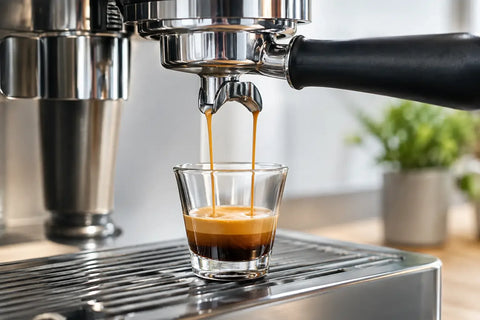
Espresso equipment creates an elevated experience, especially in client-facing environments, but it deserves honest consideration. A fully automatic machine can provide espresso-style drinks with minimal skill, while a traditional machine requires training, regular calibration, and a more committed cleaning routine. If no one owns those tasks, an expensive machine can become an underused centerpiece.
Cold brew is worth considering for warm climates, afternoon service, and employees who prefer a smoother, lower-acid profile. Ready-to-serve cold brew can offer convenience, while a batch system gives offices more control. Instant specialty coffee also has a place in travel-heavy teams, conference rooms, and backup cabinets. Convenience and quality no longer need to be opposites.
Build a Menu Around Real Drinking Occasions
An office does not need ten coffees to feel generous. It needs a small, intentional range. Begin with an approachable everyday coffee - often a balanced blend or a smooth single-origin selection with notes such as chocolate, caramel, nuts, or gentle fruit. This is the workhorse for drip brewers and first-time guests.
Then add contrast. A fuller-bodied coffee can stand up beautifully in milk drinks or appeal to people who like a deeper, more traditional profile. A brighter coffee from Colombia, Guatemala, Honduras, Peru, or another distinct origin can offer a more exploratory cup for employees who enjoy tasting the character of place. Origin doesn't promise that every bag will taste identical, but it gives coffee drinkers a meaningful way to travel the world with every sip.
Decaf should be treated as a real choice, not an afterthought. A flavorful decaf lets people participate in the afternoon coffee ritual without sacrificing sleep. Quality loose-leaf tea also belongs in the conversation. Offer at least a black tea, a caffeine-free herbal option, and a green tea or naturally fragrant blend. Tea drinkers should not be left with a forgotten box of paper-wrapped bags while coffee gets all the attention.
At Artisan Java & Tea, the same principle that guides a home coffee ritual applies at work: give people a clear path to quality without making the experience feel complicated.
Protect Freshness and Flavor in the Break Room
Great beans can still produce a disappointing cup if you neglect the setup. Coffee should be stored in an airtight container away from heat, direct sun, and strong odors. Avoid filling oversized clear bins weeks in advance. Keep reserve bags sealed until needed, and label open containers with the opening date.
Water deserves attention, especially in areas with hard or heavily treated tap water. Filtered water can make a noticeable difference in clarity and sweetness while helping protect equipment from mineral buildup. Follow the brewer manufacturer's descaling schedule, and clean removable parts daily. Old coffee oils are stubborn, and they can make even a fresh roast taste dull or bitter.
Grinding is another high-impact detail. For drip coffee, use a medium grind. For a press, go coarser. For espresso, use a fine grind adjusted for the specific machine and coffee. If the office uses pre-ground coffee for convenience, buy smaller quantities more often and close bags carefully after each use.
Make the Station Easy to Use
A coffee station works best when it answers questions before people need to ask them. Label coffee containers with the roast style, a few flavor notes, and whether the coffee is regular or decaf. A small brewing card can state the coffee-to-water ratio for a batch brewer and the steps for daily cleanup.
Keep the physical setup calm and practical. Put cups, lids, stirrers, sweeteners, and milk alternatives where people naturally reach for them. Give tea its own organized area with a kettle or hot-water setting. If possible, provide a small collection of ceramic mugs alongside disposable options. A mug makes a daily coffee break feel less transactional and reduces waste.
Assign clear ownership as well. The best program can falter when everyone assumes somebody else will reorder coffee, wipe down the machine, or report a broken grinder. One designated point person, supported by a simple checklist, is usually enough.
Review What People Actually Enjoy
After the first month, ask for direct feedback. Are employees finishing the coffee? Is the decaf being used? Does the tea disappear faster than expected? Are there bottlenecks at certain times of day? Usage patterns will tell you whether to adjust the order, add a second brewer, or simplify the menu.
Cost matters, but measure it in context. A better coffee may cost more per cup than a bulk alternative, yet it can reduce coffee runs, make shared office time more enjoyable, and strengthen the sense that employees are being considered. The goal is not to turn the break room into a cafe. It is to make the daily cup reliably worth looking forward to.
A great office coffee program leaves room for discovery. Rotate one coffee seasonally, invite the team to share tasting notes, and keep the dependable favorites in place. That small bit of care can turn an ordinary pause between meetings into a moment of connection.

Comments (0)
There are no comments for this article. Be the first one to leave a message!